
Ventilation system for private homes: How to choose the right system
An efficient ventilation system in private homes is essential for maintaining a healthy and comfortable atmosphere. In modern homes, where energy savings and tighter construction are in focus, poor ventilation can lead to a number of challenges. These include reduced air quality, increased humidity and potential health problems due to the accumulation of harmful substances. In addition, inadequate ventilation can result in higher energy consumption as systems struggle to maintain a comfortable indoor climate.
Challenges of Poor Ventilation
When ventilation is inadequate, it can negatively affect the home’s overall energy consumption. Tight homes that are not equipped with effective ventilation solutions risk having poor air circulation, which can lead to moisture damage and mold growth. This not only has consequences for the building’s structure, but also for the health of the residents, as it can worsen allergies and respiratory diseases. Therefore, it is important to choose a ventilation system that suits the specific needs of your home.
The Purpose of This Guide
The purpose of this blog post is to guide you through the process of choosing the right ventilation system for your home. By understanding the different types of systems and their benefits, you can make an informed decision that ensures a healthy and energy-efficient indoor climate. We will cover the most important considerations, including installation, maintenance and costs, as well as how to choose a system that is adapted to your living conditions and local climate.
Issues When Choosing a Ventilation System
Choosing the right ventilation system can be complex, especially if you lack knowledge about the different types of systems available. It is important to consider the complexity of the installation, maintenance requirements and overall cost of each system. Furthermore, it is crucial to choose a system that is designed to meet the specific requirements of your home, including the size and layout of the room, as well as the climatic conditions in your area.
By understanding these aspects, you can ensure that your choice of ventilation system not only improves the air quality in your home, but also contributes to energy efficiency and reduced operating costs in the long term. Continue reading to gain a deeper insight into the different types of ventilation systems and the factors you should consider when choosing the system that best suits your needs.
Get an overview of prices for ventilation for your home
Whether you need ventilation in your bathroom, basement or your entire home, we offer transparent prices and solutions tailored to your needs. See what it costs – and what you get for your money.
Types of ventilation systems for private homes
When considering ventilation systems for private homes, it is important to understand the different types available. The most common systems include mechanical ventilation, natural ventilation and hybrid systems. Each type has its own advantages and disadvantages that should be carefully considered in relation to the specific needs of the home.
Mechanical ventilation involves the use of fans and ducts to move air in and out of the home. This system is known for its effectiveness in controlling air quality and humidity. The advantages include a constant flow of air and the ability to filter allergens and pollutants. The disadvantage is that it can be expensive to install and operate, especially if it is not energy efficient.
Natural ventilation uses natural air flows through openings such as windows and vents. It is a cost-effective solution that does not require energy consumption. However, controlling the airflow can be challenging, especially in dense housing or during extreme weather conditions, which can negatively affect the indoor climate.
Hybrid systems combine elements of both mechanical and natural ventilation. These systems can adapt to changing needs and weather conditions, making them flexible and efficient. However, they may require a higher initial investment and regular maintenance to function optimally.
Factors to consider when choosing a ventilation system
Choosing the right ventilation system depends on several factors. First and foremost, you should consider the size and layout of the home . Larger homes may require more complex systems to ensure that all rooms receive adequate ventilation. In addition, an open layout can affect airflow and thus the need for mechanical support.
Energy efficiency and environmental impact are also important considerations. An energy-efficient system can reduce operating costs and minimize environmental impact. It is worth investigating systems that are certified for their energy efficiency and environmental friendliness.
Budget considerations play a big role in the decision-making process. While some systems may have higher initial costs, the long-term savings in energy consumption and maintenance can make them a financially beneficial solution. It is important to weigh the initial costs against the potential savings over time.
Integration and technology
Modern technology has made it possible to improve the efficiency and ease of use of ventilation systems. Smart home technologies can be integrated with ventilation systems to give the user more control and flexibility. This includes sensors that automatically adjust ventilation based on air quality and humidity levels.
Furthermore, technological advances such as heat recovery and advanced filtration systems can significantly improve air quality. These features can not only create a healthier indoor climate, but also reduce energy consumption by recycling heat from the exhaust air.
By considering the different types of ventilation systems and the factors that influence their choices, homeowners can ensure they choose a solution that meets their comfort, health and economic needs. The right system can not only improve air quality, but also contribute to a more energy-efficient and sustainable home.
Installation and maintenance of ventilation systems for private homes
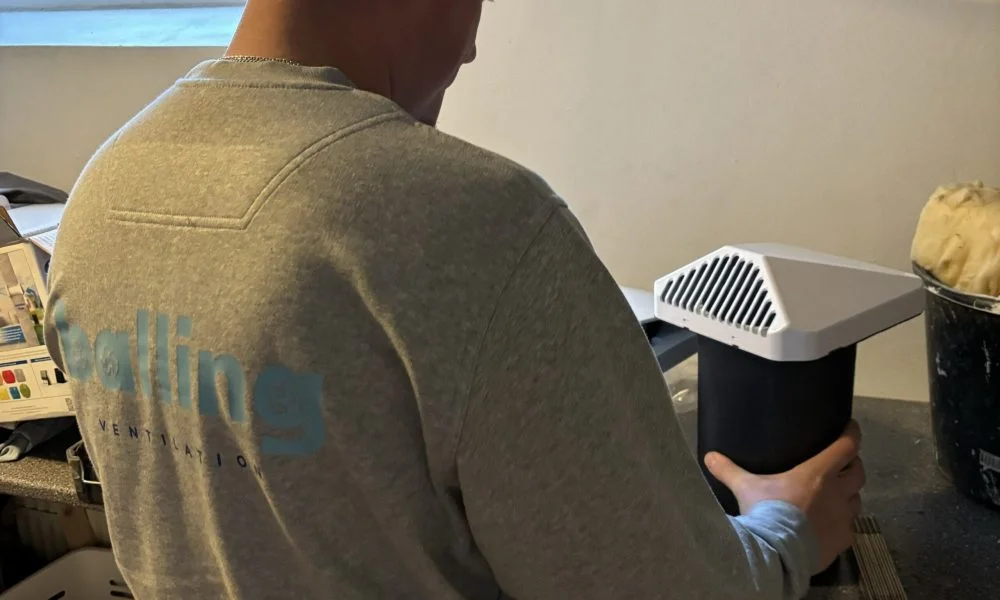
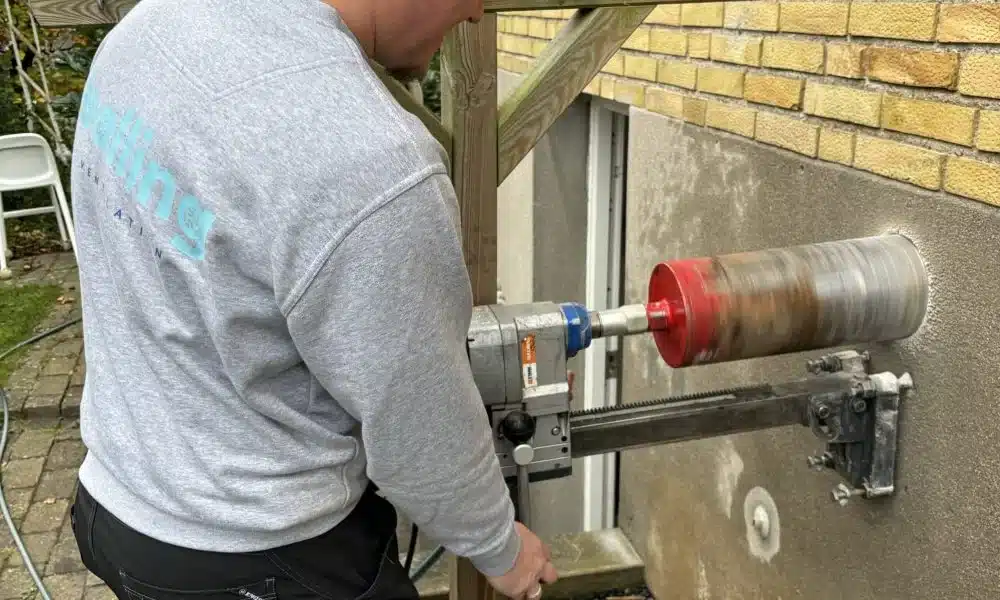
To ensure optimal performance of a home ventilation system, proper installation is essential. A professional installation can minimize the risk of inefficient operation and potential problems that may arise later. It is important to choose a qualified installer who is experienced with the specific system you have chosen to ensure that all components are working properly and efficiently.
Maintenance is just as important as installation. Regular maintenance can extend the life of your system and ensure it continues to operate efficiently. This can include cleaning or replacing filters, checking fans and ducts, and inspecting heat recovery units. Many manufacturers offer maintenance packages that can help keep your system in top shape.
While some maintenance tasks can be performed by the homeowner themselves, such as cleaning filters, more complex tasks may require professional help. It is important to know the system specifications and follow the manufacturer’s recommendations for maintenance.
Fresh air, fresh start
Choosing the right ventilation system for your home can significantly improve your quality of life. A good system not only ensures healthier air quality, but can also contribute to a more energy-efficient home. By taking into account factors such as home size, energy efficiency and budget, you can choose a solution that perfectly suits your needs.
With the right ventilation, you can create a comfortable and healthy indoor environment that promotes both well-being and energy savings. It’s an investment in your home and your family’s health that will pay off in the long run.
Frequently Asked Questions
What is the most energy-efficient ventilation system for private homes?
The most energy-efficient ventilation system is often a mechanical ventilation system with heat recovery. These systems reuse heat from the exhaust air to heat the supply air, reducing energy consumption.
How do climate conditions affect the choice of ventilation system?
Climate conditions can affect how much ventilation is needed and what type of system is most effective. In cooler climates, heat recovery systems may be more advantageous, while natural ventilation may be sufficient in warmer climates.
Can I install a ventilation system myself, or should I hire a professional?
While some ventilation systems can be installed as do-it-yourself projects, it is generally recommended to hire a professional to ensure proper installation and optimal performance.
How often should a ventilation system be maintained?
Maintenance should be performed regularly, typically every 6-12 months, depending on the type of system and the manufacturer’s recommendations. This includes cleaning or replacing filters and inspecting the system’s components.
What technological features should I consider in a modern ventilation system?
Consider features such as heat recovery, advanced filtration systems, and integration with smart home technologies to improve the system’s efficiency and ease of use.
DUKA ventilation
BSK ventilation
Et rums ventilation
Flerrumsventilation
Hvad koster ventilation?
Nyttig viden
fugt og skimmelsvamp i lejlighed: din guide til at undgå helbredsrisici
Mistanke om skimmelsvamp: Er din bolig i fare?
ventilationssystemer til private hjem